Cost
Chewed wiring
A lot of modern wiring uses soy-based insulation, and mice are happy to chew it. That leads to electrical gremlins and expensive computer repairs that rarely trace back to the real culprit until the damage is done.

The mouse problem
After fifty years under the hood, you learn that a mouse wants the same things most of us do: a good meal, a warm place to sleep, and a little romance. A parked car offers all three.
That is the whole problem in one sentence. Once a mouse decides your vehicle is home, it is hard to evict — and the scent it leaves behind quietly invites the next one. The honest truth is that prevention starts with you: keep food out of the car, vacuum the crumbs, and do not give them a reason to move in. Mouse Wall handles the rest of the turf war.
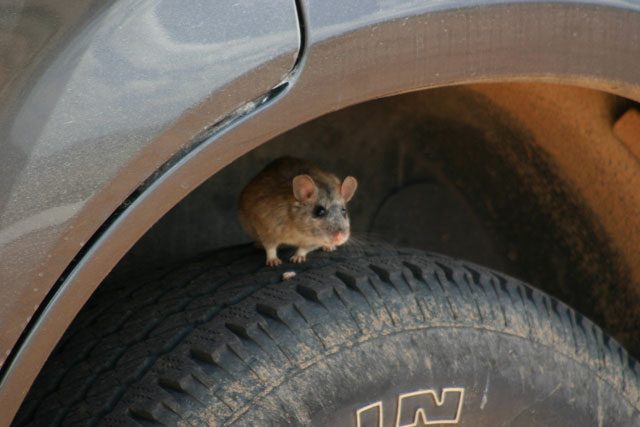
Mice are smaller than they look. A young mouse can squeeze through an opening about the size of a nickel. They climb the tires and wheels to reach the openings up under the vehicle, then follow the warmth inward.
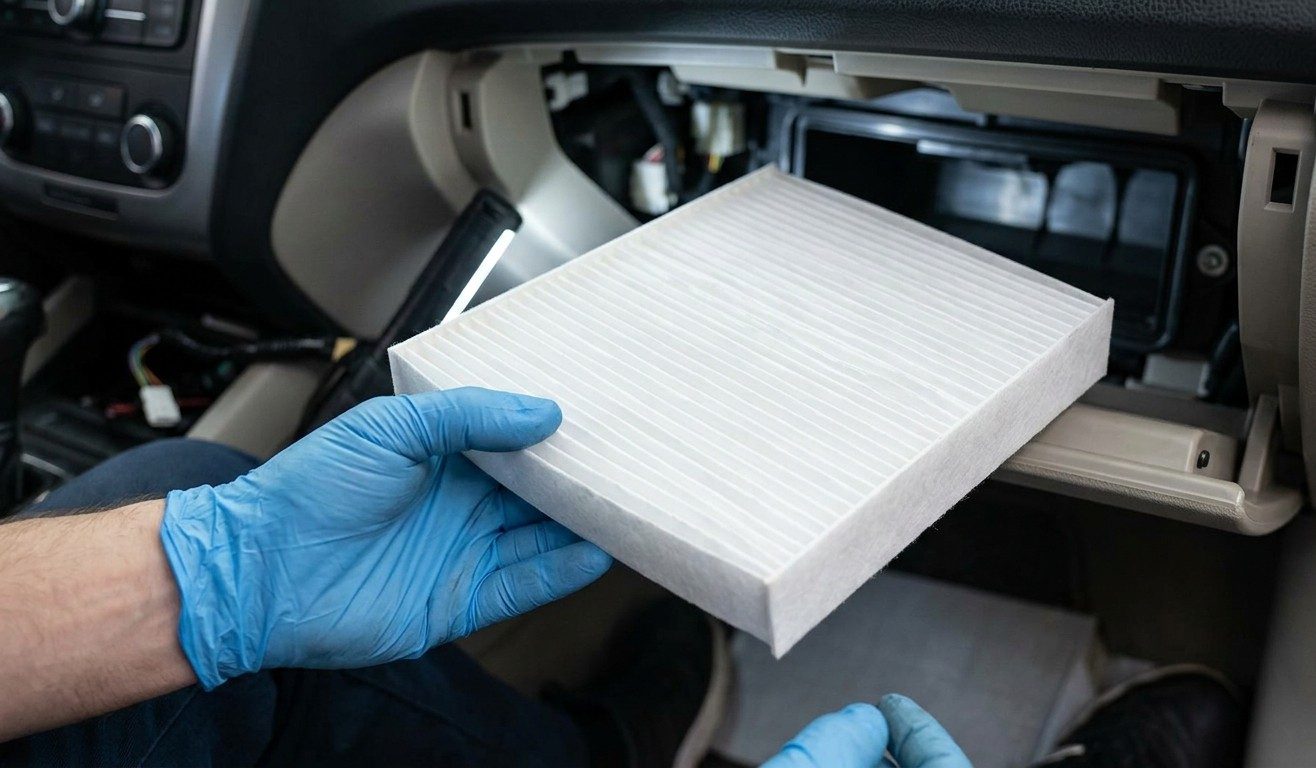
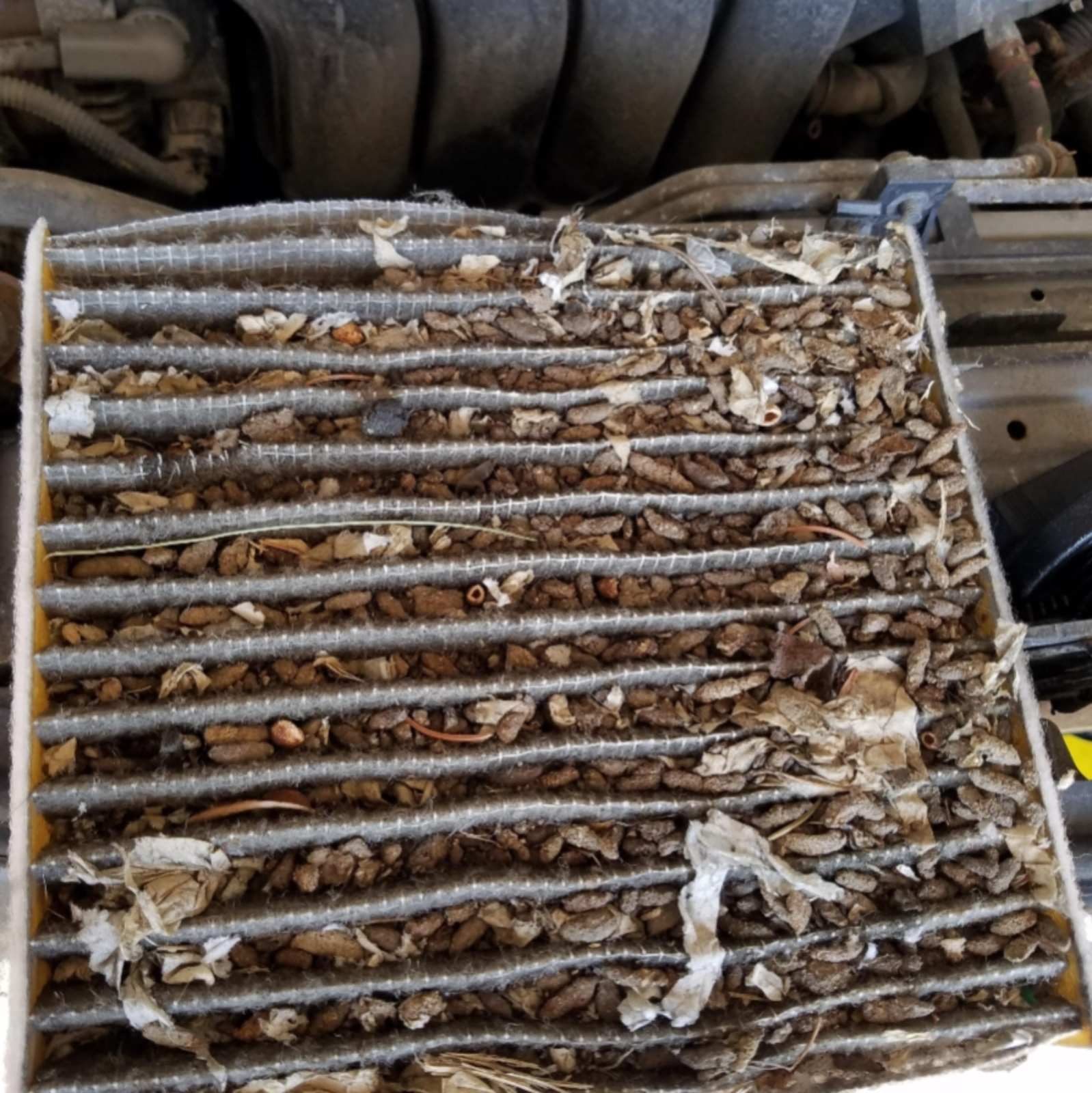
Their favorite spot is the cabin air filter behind the glovebox. It sits right next to the heater core and blower motor — warm, soft, and hidden. To a mouse, it is a furnished apartment. They shred it for bedding and store food alongside it.
A cabin air filter should look clean and white. After a season of rodents, it tells a different story — shredded for bedding, fouled with droppings, and packed with stored seeds.
Cost
A lot of modern wiring uses soy-based insulation, and mice are happy to chew it. That leads to electrical gremlins and expensive computer repairs that rarely trace back to the real culprit until the damage is done.
Health
Rodent droppings and urine can carry hantavirus. We say that plainly and leave the medical guidance to the experts — the CDC hantavirus page explains how to clean up safely. Mouse Wall does not prevent or treat any disease; it simply helps keep mice from settling in.
If you see the signs, they are in — time to act.
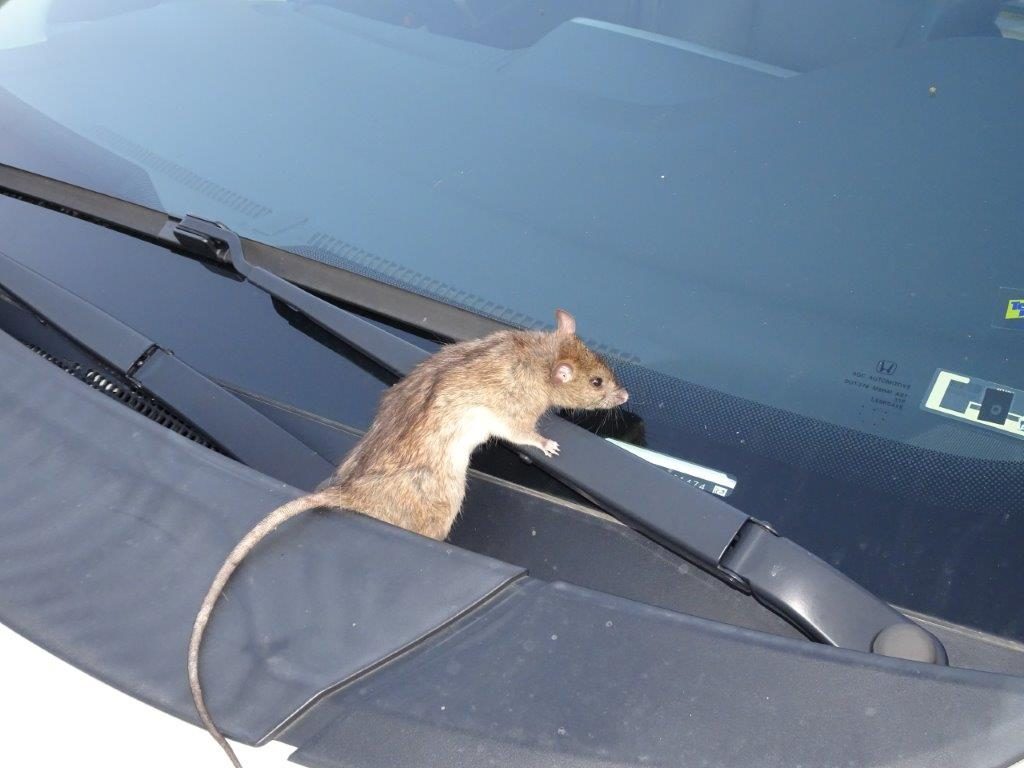
Mice do not wait around. They breed quickly, and the numbers add up fast — a single pair can produce up to 80 young in a yearonce you count the offspring's offspring. A small problem in the fall becomes a real one by spring.